Rehabilitation and mobility support
Lokoja, Kogi State · Nigeria

Helping people access the mobility support they should not have to go without.

PadiMove helps people in Kogi State navigate pathways to mobility assistive devices. We work with rehabilitation professionals, community members, sponsors and caregivers. We document outcomes and advocate for better access systems.

Based in Lokoja · Established by rehabilitation professionals · RC: 9235361

Why PadiMove exists

Mobility assistive devices are clinically essential. But financial barriers keep people from accessing them.

Rehabilitation professionals working in Kogi State kept encountering the same situation: a patient needed a wheelchair, an orthosis, or a prosthetic limb. The clinical recommendation was clear. But when the conversation turned to cost, the pathway closed.

Some patients waited years. Others went without. PadiMove was created by those same professionals to try and change that. Not by promising what cannot be delivered, but by building practical pathways and a community where people can find support, information and one another.

We are still a growing organisation. We work primarily in Kogi State. We are serious, transparent, and committed to being honest about what we can and cannot do.

We are not a clinic or hospital

PadiMove does not provide clinical services directly. We work alongside rehabilitation professionals and clinical partners to help patients access devices they have been assessed for.

We are not a lender, insurer or bank

We are not a financing company and we do not charge interest. We help people find pathways to access — through sponsorship, community support, and practical arrangements.

We track what actually happens

We follow up with patients after they receive devices. We document outcomes, conduct research, and use that evidence to advocate for better access systems in Nigeria.

The heart of PadiMove

The PadiMove Community

The community is where patients, caregivers, rehabilitation professionals, sponsors and supporters connect. It is a place for real conversations about mobility access, rehabilitation, and the challenges people face. Membership is by invitation after a conversation with PadiMove.

ðŸĪ

Connect with others

Meet patients, caregivers and rehabilitation professionals who understand the challenges involved and can offer practical perspective from their own experience.

📚

Learn about mobility and rehabilitation

Find useful information about mobility assistive devices, rehabilitation processes, and what to expect when navigating access in Nigeria.

ðŸ“Ģ

Stay informed

Be among the first to know when support opportunities arise, when research findings are shared, and when new initiatives become available.

🔍

Discover support pathways

Learn about sponsorship opportunities, device donation drives, and other ways to access or contribute to mobility support in the community.

ðŸ—Ģïļ

Share your experience

Rehabilitation access in Nigeria is a conversation that needs more voices. The community is a space to contribute your own perspective and learn from others.

📊

Follow research and advocacy

Stay connected to PadiMove's research work and the policy conversations it informs. Community members receive findings before they are publicly released.

The community includes

Patients Caregivers Families Physiotherapists Orthotists & Prosthetists Occupational Therapists Community Health Workers Churches & Faith Groups NGOs Sponsors Donors Researchers People who care about this
Chat with PadiMove on WhatsApp

Start a conversation. If the community is a good fit for you, we will invite you in.

What PadiMove does

How we help people access mobility support

PadiMove works across several areas. Some are well established. Others are still developing. Here is an honest picture of where things stand.

Program

Access Facilitation

Active

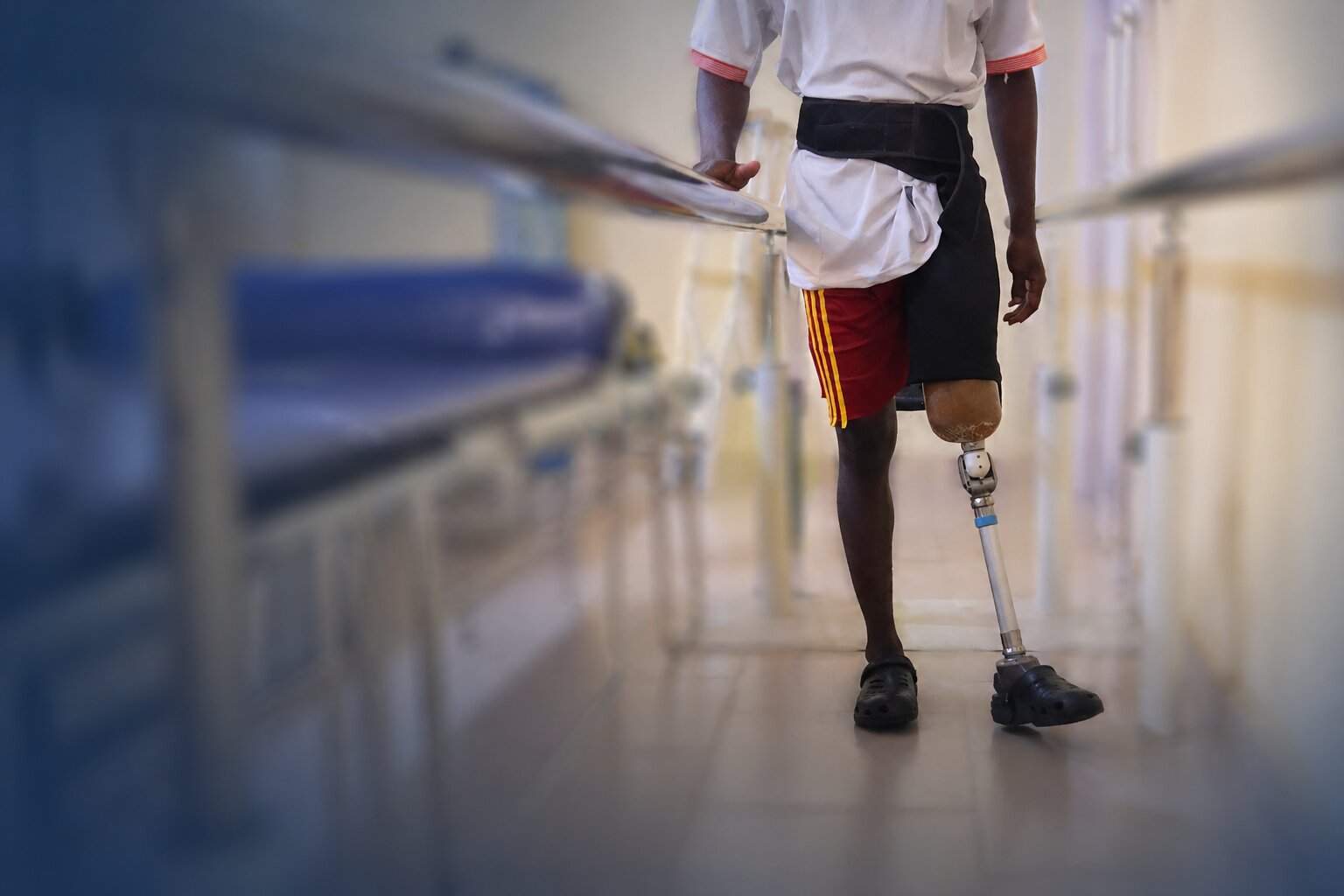
We work with patients who have been assessed by a rehabilitation professional and need help finding a path to the device they need. We help people understand their options, connect with sponsors where possible, and navigate the process from assessment to receiving a device. More than 20 devices have been facilitated since we started.

ProstheticsOrthoticsWheelchairs Walking FramesPaediatric Devices
Chat with us on WhatsApp
Program

Sponsor Mobility

Active

Individuals, churches, businesses and NGOs can sponsor a device for a patient who cannot access one on their own. The patient receives the device. Sponsors receive a documented outcome report showing what changed after the device was provided. Our clinical partner handles the assessment and fitting.

ChurchesNGOs BusinessesIndividuals
Chat with us on WhatsApp
Initiative

Monthly Mobility Partners

Growing

Some people prefer to contribute a little each month rather than a one-off amount. Monthly Mobility Partners support PadiMove's access work on an ongoing basis. This initiative is still developing. If you are interested in contributing monthly, get in touch and we will tell you more about how it works.

Monthly contributionsIndividuals
Chat with us on WhatsApp
Initiative

Mobility Aid Donation

Growing

If you have a mobility aid you no longer need and it is still in good working condition, we can help redirect it to someone who does. We have already recovered and redistributed at least one device this way. The initiative is still developing, but we welcome enquiries from anyone with a device to donate.

WheelchairsWalkersCrutches
Chat with us on WhatsApp
Devices

Types of devices we support access to

PadiMove does not manufacture or sell devices. We help people explore pathways to access the appropriate mobility solution for their clinical needs.

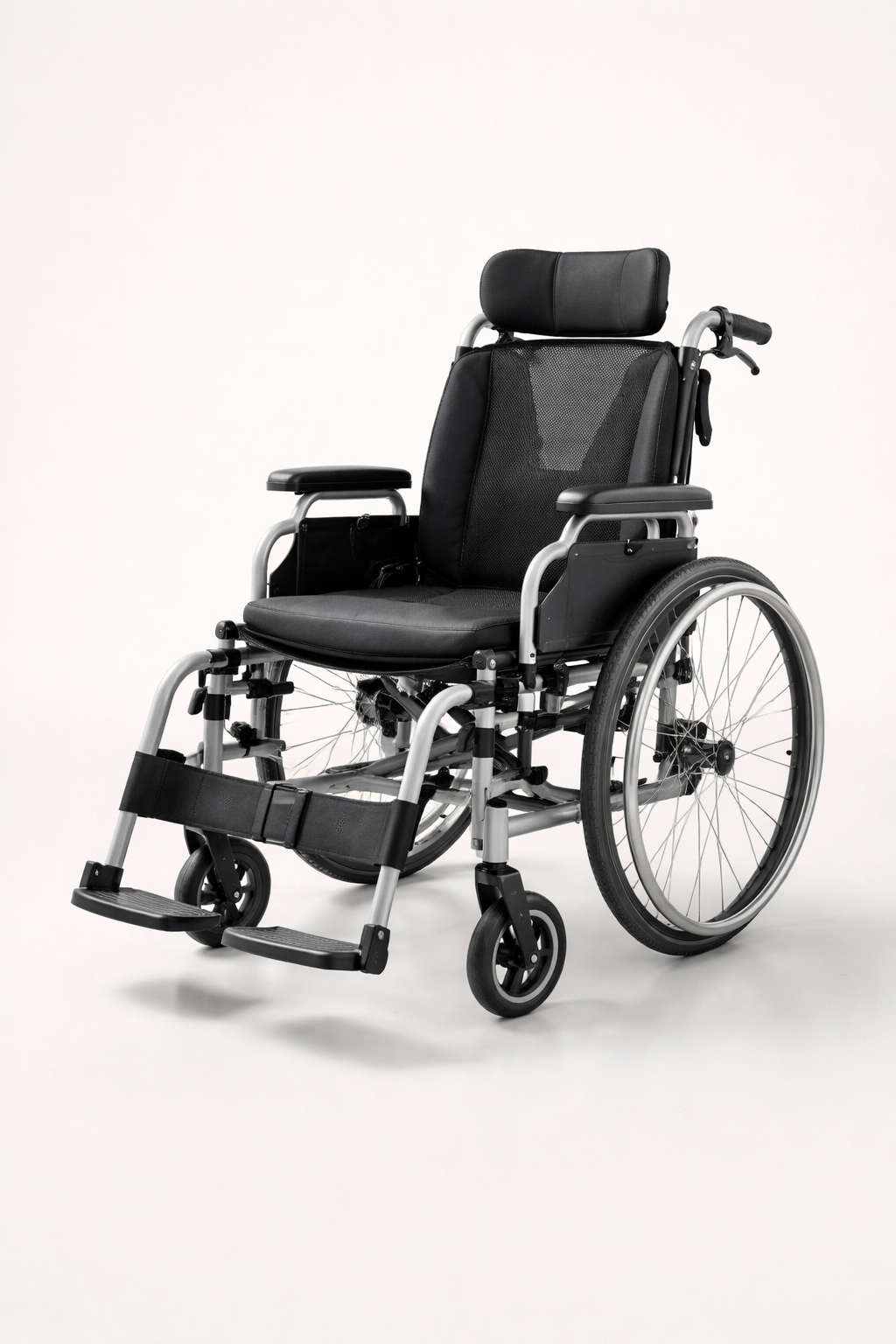
Manual Wheelchair

Manual Wheelchairs

For people with reduced or absent lower limb mobility

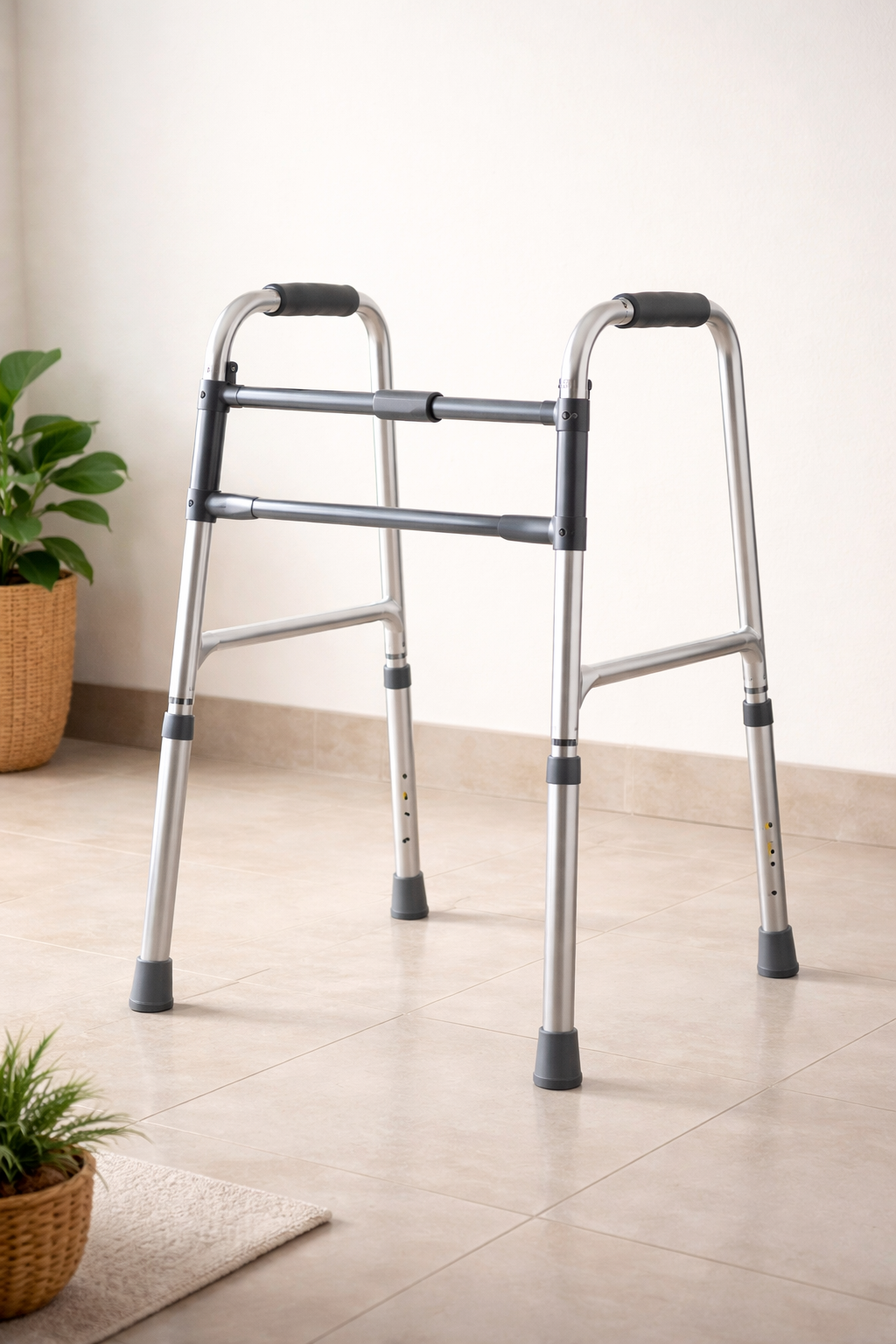
Walking Frame

Walking Frames and Walkers

For walking support and stability assistance

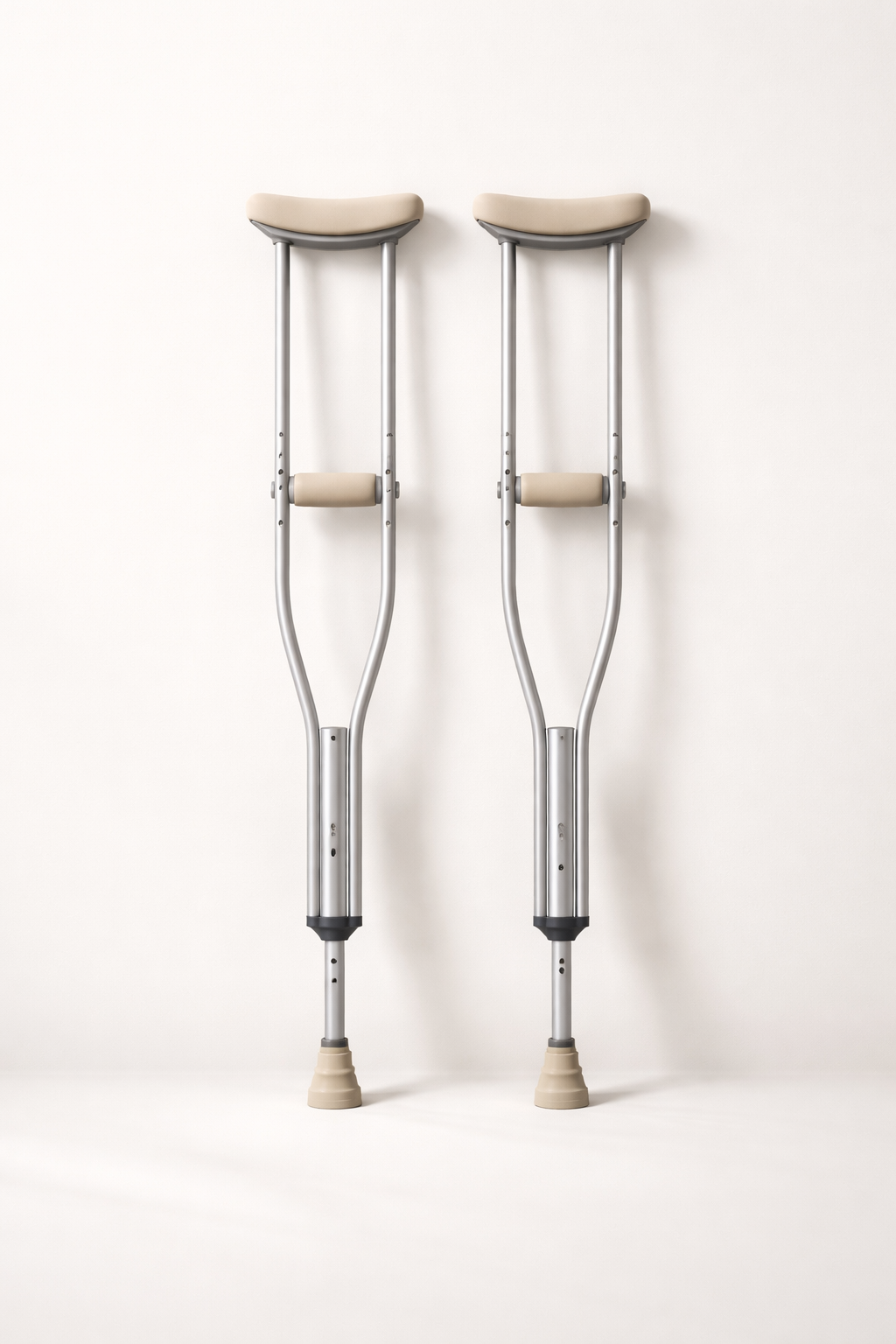
Crutches

Crutches and Walking Aids

Mobility support for temporary or permanent conditions

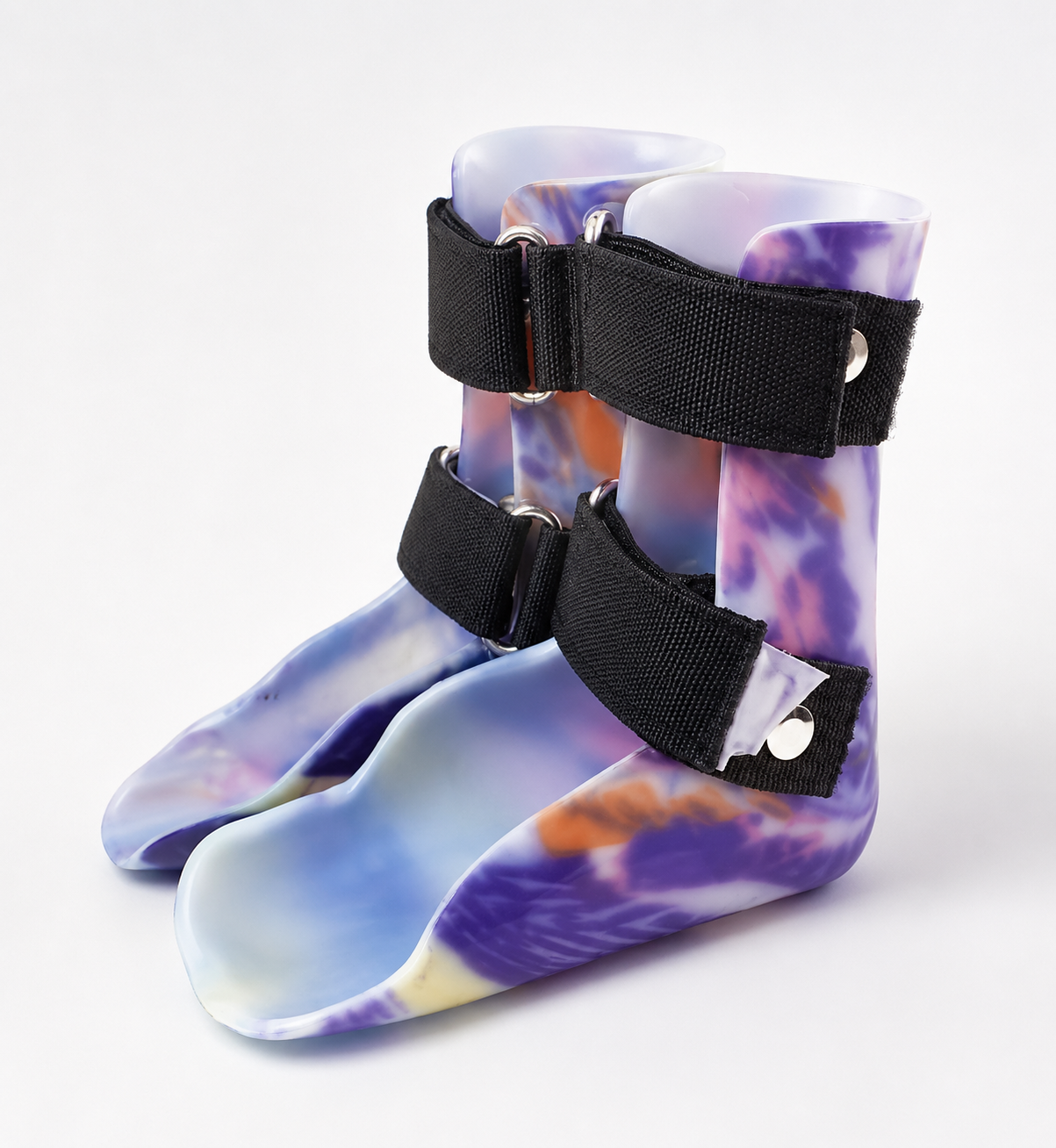
Ankle-Foot Orthosis

Ankle-Foot Orthoses (AFOs)

For foot drop, cerebral palsy and other lower limb conditions

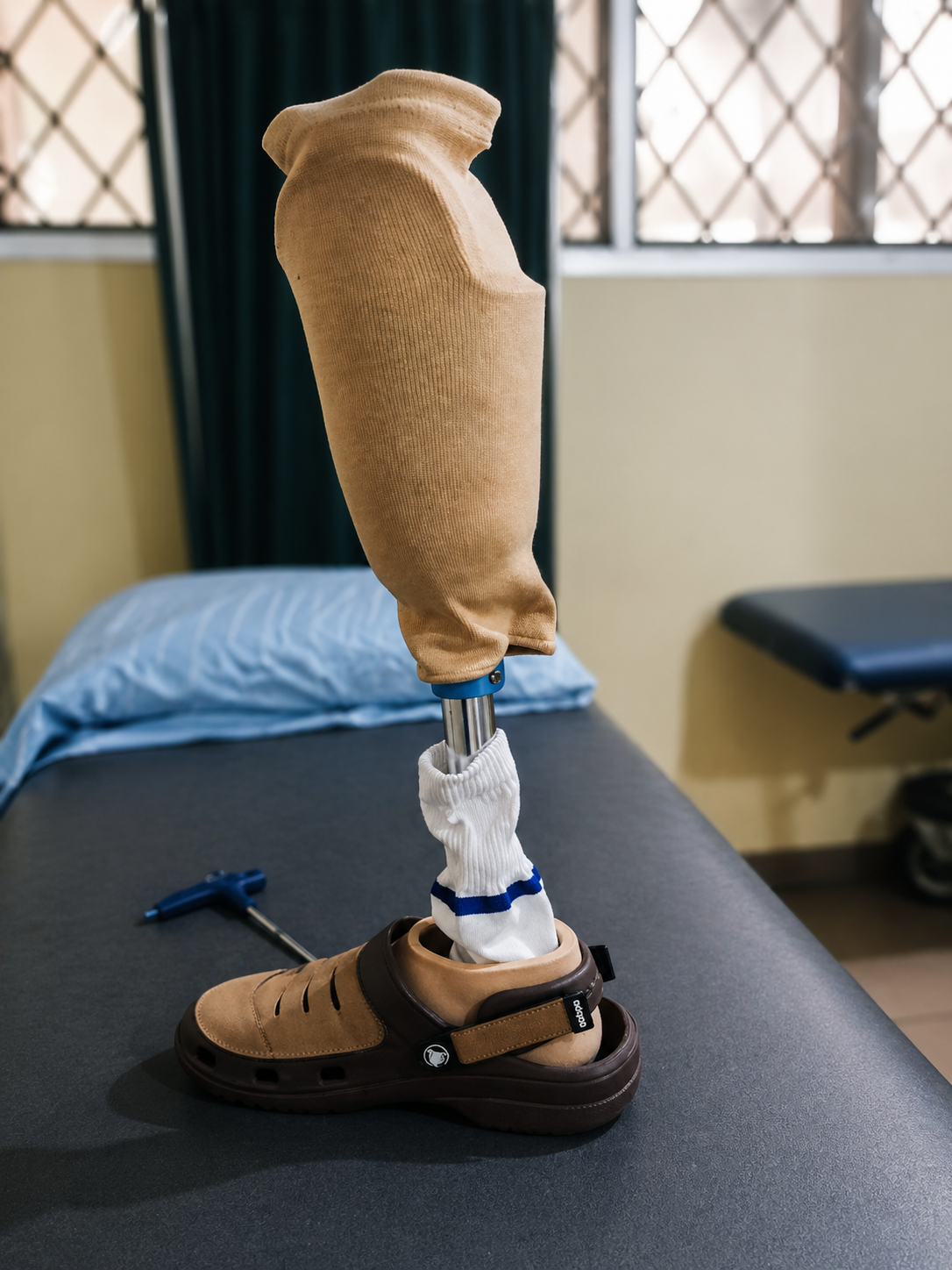
Prosthetic Limb

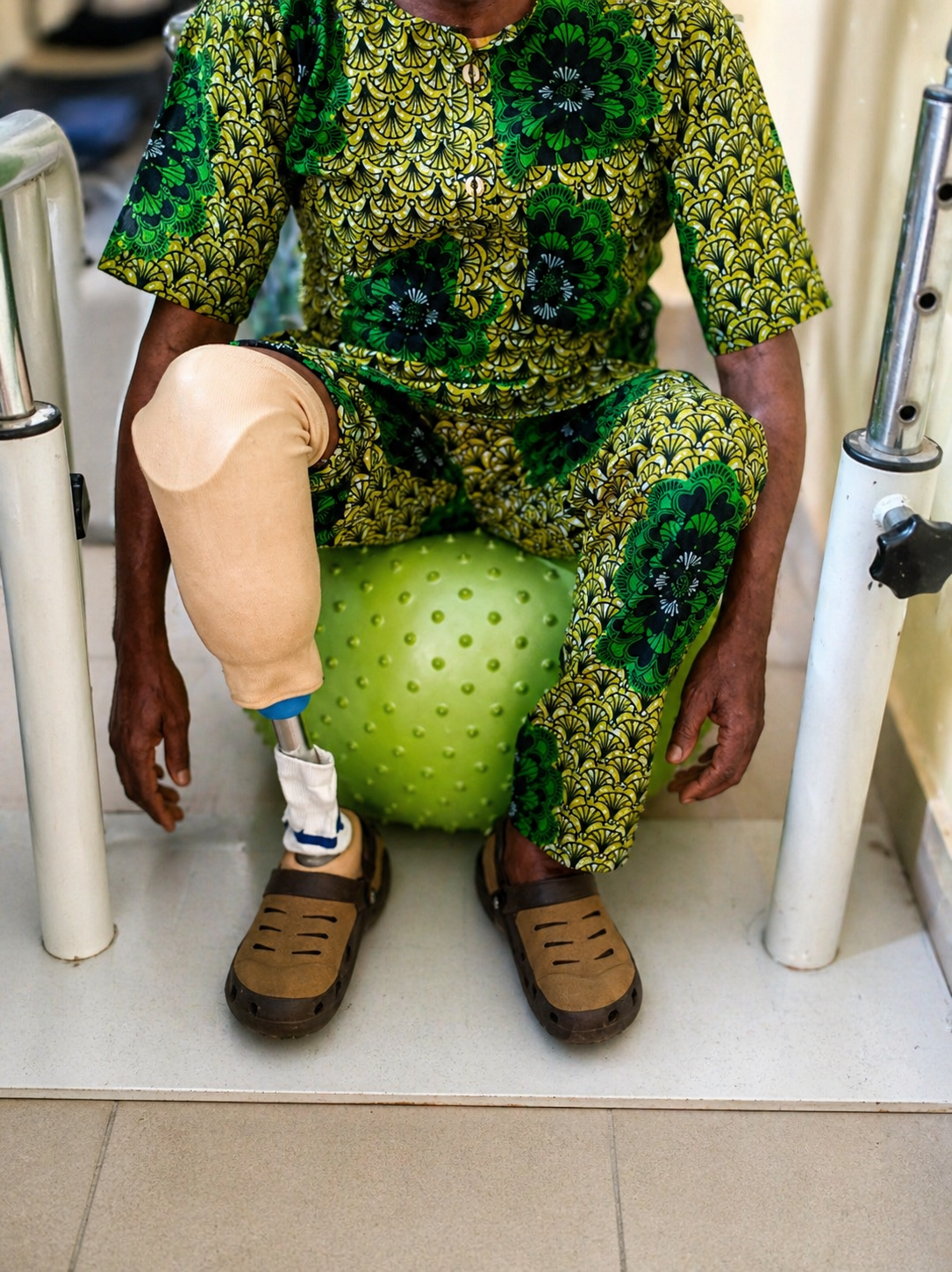
Prosthetic Limbs

Lower limb prosthetics for people with amputations

Expanding
Paediatric Mobility Solutions
Paediatric

Paediatric Mobility Solutions

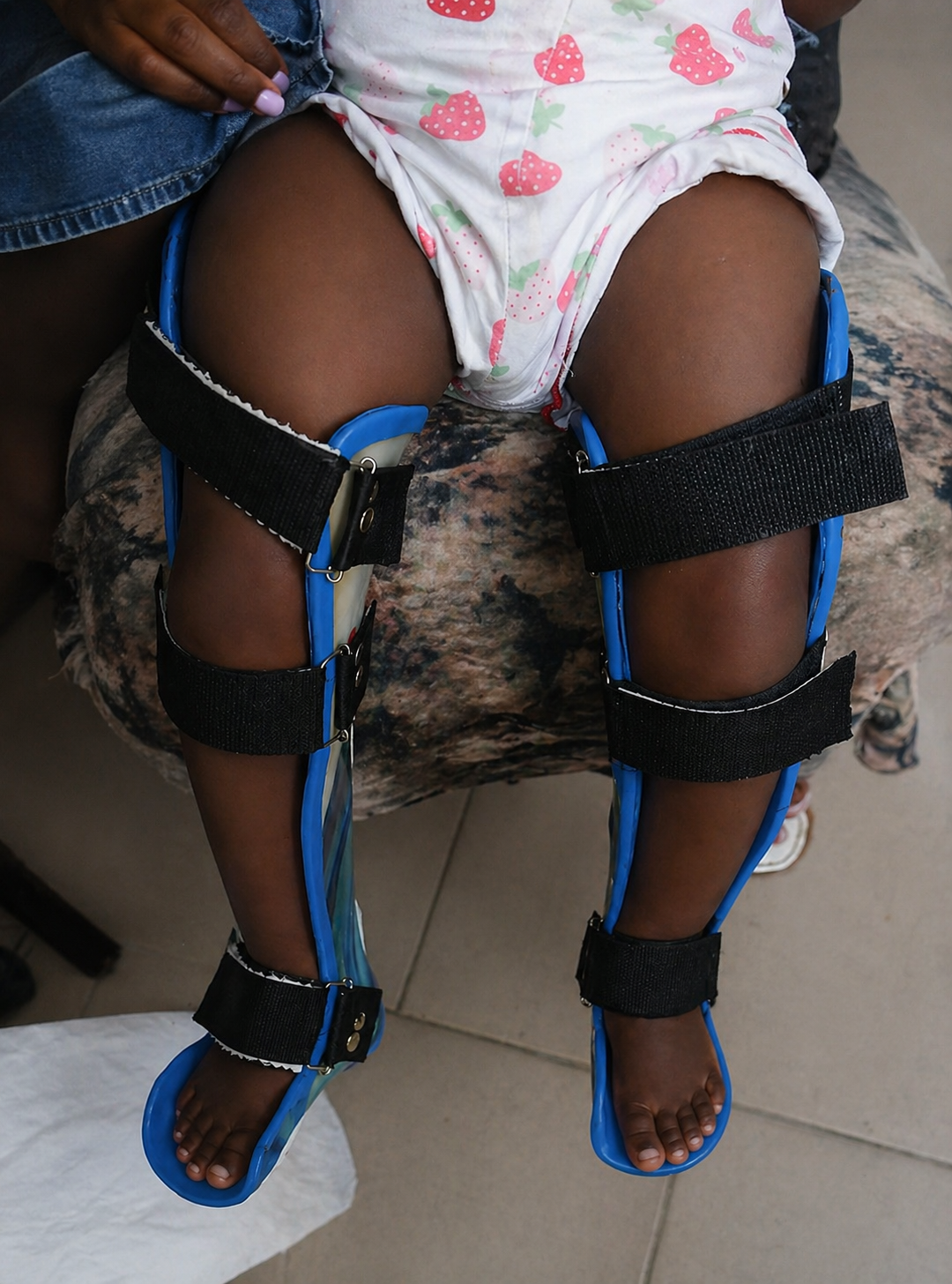
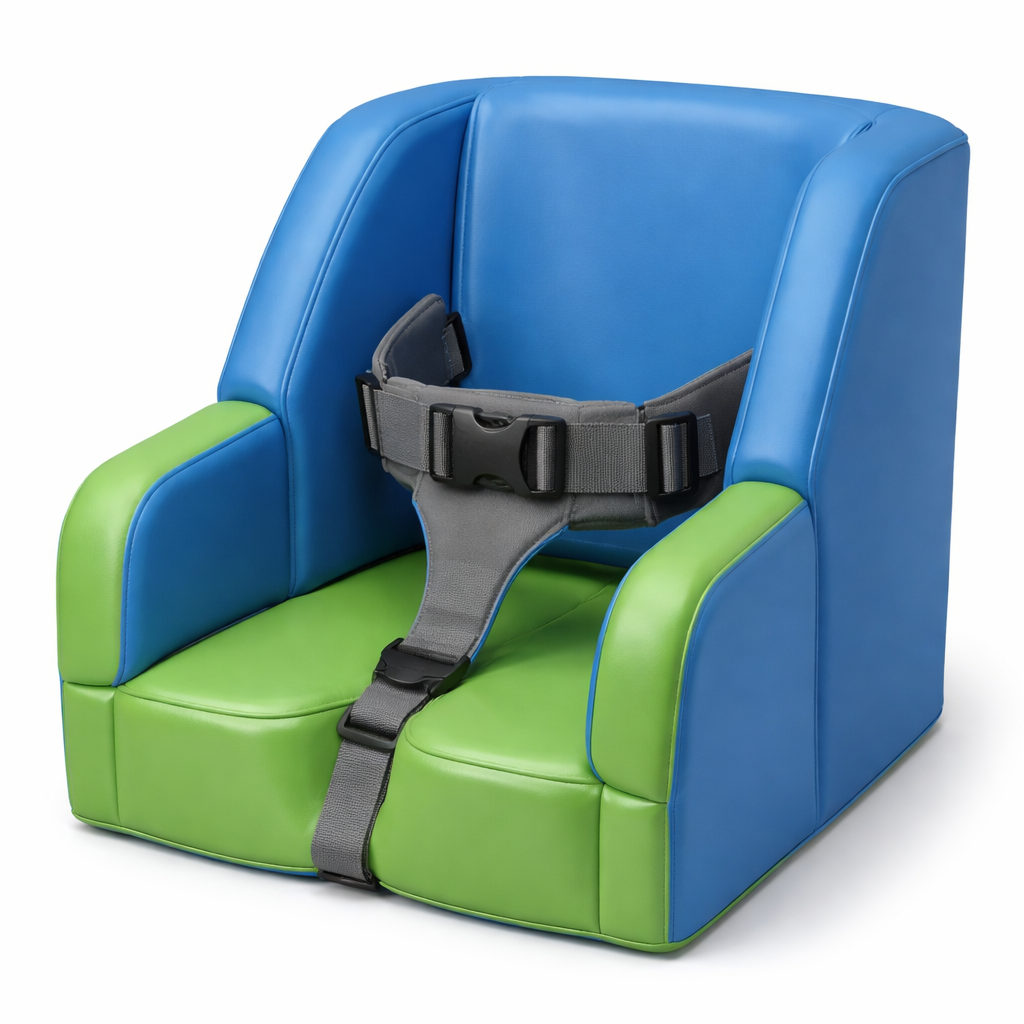
Corner seats, CP chairs, KAFOs, HKAFOs, SMOs and standing boxes for children with cerebral palsy and developmental needs

ðŸĶī

KAFOs and HKAFOs

Knee-ankle-foot and hip-knee-ankle-foot orthoses for complex lower limb support needs

🖐ïļ

Upper Limb Splints

Wrist-hand orthoses for nerve injuries, post-stroke hand positioning and other upper limb needs

Expanding
PadiMove does not manufacture or sell devices. We help people understand what they need and find a path to accessing it. Device availability depends on clinical assessment, supplier availability and funding. If you have questions about a specific device, get in touch.
Get Support

Need help accessing a device?

Start with a conversation

If you or someone you care for needs a mobility assistive device and you are not sure how to access one, we would like to hear from you. Financial barriers are one of the most common reasons people go without the devices they need, and PadiMove was set up specifically to help people in that situation.

We work primarily in Kogi State and our capacity is still growing. We cannot promise a solution to every situation, but we can help you understand what your options might be and whether PadiMove can play a role.

No forms. No portal. Just a conversation on WhatsApp to start.

Chat with us on WhatsApp

We reply as quickly as we can. Response times may vary depending on availability.

Outcomes Tracking

We follow up on what actually changes

Knowing whether a device made a real difference matters. PadiMove is building an outcomes tracking framework to follow patients after device provision. This is for evidence, not for marketing.

👟

Walking independence

How independently can someone move before and after receiving a device?

💞

Return to work

Was the patient able to return to employment or income-generating activity?

ðŸŦ

Return to school

For children, did access to a device affect their ability to attend and participate in school?

🚌

Independent travel

Can the patient travel without depending on someone else to assist them?

ðŸ‘Ĩ

Social participation

Has the patient been able to take part in community life, family events or social activities?

âģ

Access delays

How long did patients wait between clinical assessment and actually receiving a device?

This framework is still being developed. We track outcomes for patients we have worked with in Kogi State. This is not a national registry. It is a genuine attempt to build local evidence about what access to mobility devices changes in people's lives.

Chat with us on WhatsApp to follow this work as it develops.

Research & Advocacy

Understanding the barriers to access

Access to mobility assistive devices in Nigeria is not just a funding problem. It is a system problem. Research helps identify what the barriers actually are and what policy changes could begin to address them.

Research completed · Policy brief in development

Financing Access to Mobility Assistive Devices in Nigeria: Assessing Financing Pathways and Policy Options for Sustainable Access

This research looks at how people in Nigeria finance access to mobility assistive devices, what pathways currently exist, what barriers they face, and what policy options might make access more sustainable over time. The study was conducted in Kogi State.

The research is complete. A policy brief drawing on the findings is currently being developed. It will offer practical recommendations for policymakers, health planners and development partners working on disability and rehabilitation access in Nigeria.

The policy brief is not yet available. No download is provided here until it is finalised.


Expected release: September 2026

To receive an update when the policy brief becomes available, get in touch with PadiMove on WhatsApp and ask to be notified.

Contact PadiMove for updates
Where we are

What PadiMove has done so far

We are a young organisation. This is an honest account of what has been done since we started.

Helped facilitate access to more than 20 mobility and assistive devices through clinical practice, community support and access facilitation work

Supported patients through full sponsorship, out-of-pocket arrangements and community-supported pathways

Completed research on how people in Nigeria finance access to mobility assistive devices

Established a clinical partnership with Giant Strides Rehabilitation Ltd in Lokoja, Kogi State

Started the Monthly Mobility Partners initiative for those who want to contribute to access work on an ongoing basis

Started a mobility aid donation initiative and recovered and redistributed at least one device so far

Developed a rehabilitation outcomes tracking framework to follow what changes for patients after they receive a device

Started building a community around mobility access and rehabilitation in Kogi State

Clinical Partner

Giant Strides Rehabilitation Ltd.

Clinical assessment and device fitting partner — Lokoja, Kogi State

Our Story

How PadiMove came to be

The rehabilitation professionals behind PadiMove did not start with a business plan. They started with a problem they kept coming across in their clinical work.

A patient would arrive needing a prosthetic limb, a wheelchair, an ankle-foot orthosis, or another mobility device. The clinical picture was clear. The recommendation was straightforward. But when the conversation turned to how the patient would pay for it, the pathway would close. Families could not afford the full cost upfront. Sponsors were hard to find. The system offered very little.

One patient paid the initial cost of a prosthesis but needed almost two years to complete the full payment. During that time, his mobility, independence and opportunities remained limited. Not because the device did not exist. Because the money did not come fast enough.

That story repeated itself in different forms. People waiting. People going without. People who had been told exactly what they needed but had no clear way of getting it.

Those experiences led to conversations among professionals. Those conversations led to a shared commitment to try and do something about it. That commitment became PadiMove.

We are based in Lokoja. We are still growing. We do not have everything figured out. But we believe that financial barriers should not determine who gets access to mobility and rehabilitation, and we are working on that problem as practically and honestly as we can.

Common questions

What people ask us

PadiMove is a mobility access organisation based in Lokoja, Kogi State, Nigeria. We help people navigate pathways to mobility assistive devices, build a community around rehabilitation and disability access, track outcomes, and contribute to advocacy for better access systems. We are not a clinic, a hospital, a loan company, an insurer or a device manufacturer.
We are based in Lokoja and work primarily in Kogi State. We are still a young organisation with limited capacity. If you are reaching out from elsewhere in Nigeria, please get in touch and we will be honest about what we can and cannot help with at this stage.
It depends on your situation. We help people who have been assessed by a rehabilitation professional and need support accessing the device they have been recommended. The pathway varies. Sometimes a sponsor funds the full cost of a device. Sometimes other arrangements are possible. We cannot guarantee a solution for everyone, but we will always try to help you understand your options. Start by reaching out on WhatsApp.
No. PadiMove is not a financing company, a lender or a bank. We do not charge interest. We help people find pathways to access mobility devices through sponsorship, community support and practical arrangements. Where patients contribute toward a device, they pay the actual cost of the device only, with no additions.
The PadiMove Community is a curated WhatsApp community for patients, caregivers, rehabilitation professionals, sponsors and others connected to mobility access and rehabilitation. Membership is by invitation after a conversation with PadiMove. To enquire about joining, send us a message on WhatsApp.
Get in touch with us on WhatsApp. We will talk through who you are, what you want to do and what you are in a position to contribute. We then work to connect your support with a patient who has been clinically assessed and needs help. After the device has been provided and a follow-up period has passed, you receive a documented outcome report. You do not need to be an organisation to sponsor a device.
Yes. If you have a wheelchair, walker, crutches or another mobility aid in reasonable working condition, please reach out via WhatsApp. Our donation initiative is still developing, but we have already facilitated the redistribution of at least one device and we are keen to do more as our capacity grows.
We have completed research on how people in Nigeria finance access to mobility assistive devices. A policy brief based on that research is currently in development. It is expected to be released in September 2026. If you would like to be notified when it becomes available, contact us on WhatsApp and we will add you to the list.
Get in touch

PadiMove helps people access mobility support, builds community around rehabilitation, and advocates for better access.

Whether you need support, want to sponsor a device, or want to be part of the conversation around mobility access in Nigeria, reach out and we will take it from there.

Chat with PadiMove Get Support